
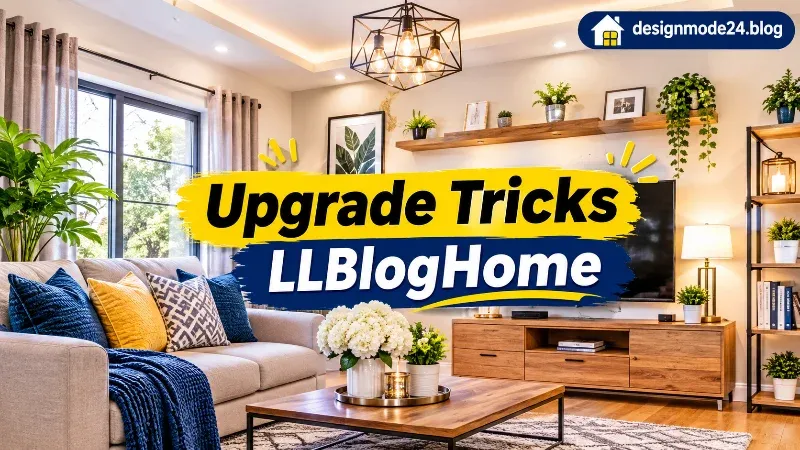
Transforming your home does not always require expensive renovations or professional designers. With these Upgrade Tricks LLBlogHome, you can make small, thoughtful changes that improve comfort, style, and functionality without putting pressure on your budget. From improving lighting and organizing storage to refreshing walls and upgrading old furniture, simple and affordable projects can create a noticeable difference in your living space.
The best home upgrades focus on how you use your space every day. A well-organized kitchen, a brighter living room, or a more relaxing bedroom can improve your daily routine. In this guide, you’ll discover 15 affordable ideas that help you refresh your home while making smart use of your time and money.
Why Small Home Upgrades Make a Big Difference
A home upgrade should solve a problem, not just follow a design trend. These Upgrade Tricks LLBlogHome can help you identify practical improvements that make your living space more comfortable and functional. Before spending money, look at the areas that need the most attention. Perhaps your kitchen lacks storage, your living room feels dark, or your bedroom needs a more peaceful atmosphere.
The ideas below focus on affordable materials, simple improvements, and practical changes that can work in different types of homes.
15 Smart and Affordable Ideas to Transform Your Home
1. Give Your Walls a Fresh Coat of Paint
Painting is one of the simplest ways to change the appearance of a room. Choose light neutral shades such as warm white, beige, or soft gray to create an open and welcoming atmosphere.
You can also paint one accent wall in a deeper color to add character without repainting the entire room. Always clean and repair the surface before applying paint for a smoother finish.
2. Upgrade Your Lighting
Good lighting makes a room feel more comfortable and functional. Replace outdated bulbs with energy-efficient LED options and consider adding table lamps or floor lamps.
Use warm lighting in bedrooms and living areas for a relaxing atmosphere. Brighter, focused lighting works better in kitchens and workspaces. LED bulbs can also help reduce electricity consumption.
3. Refresh Old Furniture
You do not need to replace every piece of furniture to achieve a fresh look. Repaint an old wooden table, update cabinet handles, or add new cushions to a tired sofa.
For example, replacing outdated kitchen cabinet pulls with modern hardware can make the entire kitchen feel more current. Choose finishes that complement your existing furniture.
4. Add More Storage Space
Clutter makes even a beautiful home feel uncomfortable. Use floating shelves, storage baskets, drawer organizers, and under-bed containers to keep everyday items organized.
Vertical storage is particularly useful in small rooms because it uses wall space instead of taking up valuable floor area.
5. Improve Your Kitchen on a Budget
A kitchen renovation can become expensive, but smaller changes can make a noticeable difference.
Consider painting cabinet doors, replacing worn handles, adding a backsplash, or organizing countertops. Keep frequently used cooking items within easy reach and store less-used equipment in cabinets.
These improvements can make your kitchen more attractive without requiring a complete renovation.
6. Upgrade Your Bathroom Accessories
A clean and coordinated bathroom feels more inviting. Replace old towel bars, update the shower curtain, add matching soap dispensers, and organize toiletries.
Check faucets and showerheads for leaks. Fixing minor problems early can prevent unnecessary water waste and larger repair costs.
7. Use Mirrors to Create a Brighter Space
Mirrors can make smaller rooms appear more spacious. Place a large mirror opposite a window to reflect natural light throughout the room.
You can also use decorative mirrors in hallways, bedrooms, and living rooms. Choose a frame that matches the overall interior style.
8. Improve Your Window Treatments
Old or damaged curtains can make an otherwise attractive room look unfinished. Replace them with simple curtains or blinds that complement your furniture and wall colors.
Choose lighter fabrics when you want more daylight and thicker or lined curtains when you need additional privacy and light control.
9. Bring Nature Indoors
Indoor plants add color and create a more natural atmosphere. Consider easy-care options such as snake plants, pothos, or spider plants.
Place smaller plants on shelves and larger ones in empty corners. Remember to check their light and watering needs before choosing a location.
10. Create a Comfortable Living Room
Your living room should support relaxation and everyday activities. Start by arranging furniture to create clear walking paths and comfortable seating areas.
Add a soft rug, decorative cushions, and a throw blanket to create a welcoming environment. Avoid filling every corner with furniture or accessories.
11. Make Your Entryway More Functional
The entrance creates the first impression of your home. A small shoe rack, wall hooks, and a narrow console table can make this area more organized.
Add a mirror or simple wall decoration to make the space feel complete. Even a small entryway can become useful with thoughtful planning.
12. Upgrade Cabinet and Door Hardware
Old handles, knobs, and hinges can make furniture look dated. Replacing them with modern designs is a relatively inexpensive project.
Measure existing hardware carefully before buying replacements. This helps you avoid drilling unnecessary holes or purchasing pieces that do not fit.
13. Make Your Home More Energy Efficient
Energy efficiency is an important part of a practical home upgrade. Check for air leaks around doors and windows, maintain cooling equipment, and use energy-efficient lighting.
Weatherstripping and door draft stoppers can help reduce unwanted airflow. Choose materials suited to your climate and follow installation instructions.
14. Improve Your Outdoor Space
You do not need a large garden to create an attractive outdoor area. Clean the entrance, arrange a few plants, add outdoor seating, or improve lighting near the doorway.
For balconies, consider compact furniture and vertical planters. These simple changes can turn an unused area into a comfortable place to relax.
15. Add Personal Decorative Details
Your home should reflect your personality rather than look like a showroom. Display family photographs, artwork, meaningful accessories, or handmade decorations.
Choose a consistent color palette so different decorative pieces work together. A few carefully selected items often look better than filling every available surface.
How to Plan Affordable Home Upgrades
Before starting any project, make a simple plan. This prevents unnecessary purchases and helps you focus on improvements that offer the most value.
Here are four useful steps:
-
Set a realistic budget: Decide how much you can comfortably spend before purchasing materials.
-
Prioritize important repairs: Address leaks, damaged surfaces, and safety problems before cosmetic improvements.
-
Compare materials: Check quality, durability, and maintenance requirements instead of choosing products based only on price.
-
Complete one project at a time: Finishing smaller projects helps you track expenses and avoid unfinished work.
For example, if your living room needs attention, start with decluttering and furniture arrangement. Then consider painting, lighting, and accessories. This approach creates a coordinated result without requiring a large initial investment.
When following Upgrade Tricks LLBlogHome, remember that electrical, plumbing, structural, or other potentially hazardous work requires a qualified professional when needed. Also, check local building requirements before making significant changes to ensure your home improvements remain safe and properly planned.
Common Mistakes to Avoid When Upgrading Your Home
Even affordable improvements can become expensive when you make decisions without planning.
Avoid these common mistakes:
-
Buying furniture before measuring the available space.
-
Choosing decorative materials that are difficult to maintain.
-
Following trends that do not suit your lifestyle.
-
Ignoring small maintenance problems.
-
Spending your entire budget on decoration while neglecting essential repairs.
A successful home improvement project should balance appearance, comfort, durability, and functionality.
Final Thoughts
Creating a beautiful home does not always require major renovations or expensive furniture. Small improvements, when planned carefully, can make everyday spaces more attractive, organized, and comfortable.
These Upgrade Tricks LLBlogHome ideas offer practical starting points for anyone who wants to improve their living environment on a reasonable budget. Focus on the changes that solve real problems, choose durable materials, and work through projects at a comfortable pace. For more information, visit our website.