
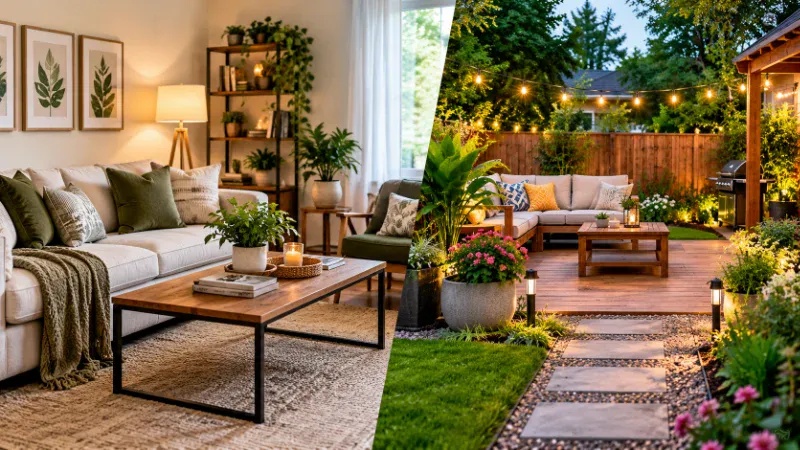
A beautiful home does not require expensive furniture, a professional designer, or a complete renovation. Sometimes, small changes to lighting, colors, furniture placement, and decorative accessories can make a space feel more welcoming. The key is to choose ideas that match your lifestyle, available space, and budget. These decoration tips decoradyard ideas focus on practical ways to improve your home’s appearance while keeping comfort and functionality in mind. Whether you want to refresh your living room, create a relaxing bedroom, or transform an ordinary backyard, a thoughtful plan can help you achieve a polished look without unnecessary spending.
1. Start With a Clear Decorating Plan
Before buying decorations, consider how you use each room. A living room designed for family gatherings needs a different layout from a quiet reading corner. Likewise, a backyard used for entertaining requires different features from a garden dedicated to growing plants.
Start by measuring your space and identifying its main purpose. Note the location of windows, doors, electrical outlets, and existing furniture.
For example, if your living room feels crowded, try moving a chair away from the main walkway before purchasing anything new. You may discover that a better layout creates more space without costing a dollar.
Set a realistic budget, too. Prioritize improvements that solve everyday problems before spending money on decorative extras.
2. Choose Colors That Work Together
Color influences the overall mood of a room. Soft neutrals, warm whites, and earthy shades can create a calm atmosphere, while deeper greens, navy blues, and terracotta add character.
You do not need to paint every wall to refresh your interior. Instead, choose a simple color palette and repeat it through cushions, curtains, artwork, rugs, and other accessories.
For example, a beige living room can feel more inviting with olive-green cushions, natural wood furniture, and a few ceramic decorations.
Before committing to paint, test a small sample on the wall. Check how it looks in morning daylight and under artificial lighting at night. This simple step can help you avoid choosing a color that looks different from what you expected.
3. Make Better Use of Lighting
Good lighting can improve both the appearance and usefulness of a room. However, relying on a single overhead light often creates a flat, uninviting atmosphere.
Try combining three types of lighting:
- Ambient lighting: Provides general illumination throughout the room.
- Task lighting: Helps with activities such as reading, cooking, or working.
- Accent lighting: Highlights artwork, shelves, plants, or architectural details.
A floor lamp beside a reading chair can make an unused corner more functional. In a bedroom, bedside lamps provide convenient lighting without requiring the main ceiling light.
Keep windows clear of unnecessary clutter to make the most of natural daylight. Choose curtains that provide the privacy you need without making the room feel unnecessarily dark.
4. Decorate With Furniture That Fits Your Space
Furniture should complement the size of your room rather than overwhelm it. Large sofas can dominate compact living rooms, while tiny rugs may make larger seating arrangements look disconnected.
Measure furniture and available floor space before shopping. You can mark the proposed dimensions on the floor with painter’s tape to see whether the arrangement leaves enough room to move comfortably.
In small homes, multifunctional furniture can be especially useful. Storage ottomans, nesting tables, and beds with drawers offer practical storage without adding unnecessary furniture.
For a more balanced appearance, avoid pushing every decorative item into one corner. Arrange furniture around a clear focal point, such as a fireplace, a large window, or an interesting piece of artwork.
5. Bring Nature Into Your Home
Plants add color, texture, and a natural element to interior spaces. They can also help connect your indoor decorating style with your garden or outdoor area.
Choose plants according to the light, temperature, and care conditions available in your home. A plant that needs bright indirect light may struggle in a dark hallway, so check its growing requirements before purchasing it.
If you have limited floor space, consider hanging planters or wall-mounted shelves. A single larger plant can also make a stronger visual statement than several small pots scattered around a room.
For a simple weekend project, place a few herbs on a sunny kitchen windowsill. They can provide fresh ingredients while making the space feel more lively.
6. Transform Your Backyard With Simple Changes
Your backyard can become a comfortable extension of your home without a major renovation. Start by deciding how you want to use the space. You might need a dining area, a quiet seating corner, a small vegetable garden, or room for children to play.
These decoration tips decoradyard ideas can help you make the most of your outdoor space:
- Arrange weather-resistant chairs around a small table to create an outdoor dining area.
- Use planters of different heights to add depth and visual interest.
- Define pathways with suitable pavers, stepping stones, or well-maintained gravel.
- Add solar pathway lights where appropriate to improve visibility after sunset.
- Use trellises or suitable plants to create privacy without building a large fence.
- Keep frequently used walkways clear and choose slip-resistant surfaces.
Consider drainage, sunlight, and local weather before installing new features. For instance, a seating area placed where rainwater collects may become uncomfortable and difficult to maintain.
If your budget is limited, improve one section at a time rather than attempting a complete makeover.
7. Add Personality Without Creating Clutter
A well-decorated home should reflect the people who live in it. Family photographs, handmade pottery, travel souvenirs, and meaningful artwork can make a space feel personal.
However, displaying too many items at once can make shelves and tables appear crowded. Choose a few favorite pieces and give them enough space to stand out.
Try grouping decorative objects by color, material, or theme. For example, a wooden tray with a small vase and a candle can create a simple centerpiece for a coffee table.
You can also refresh existing decorations instead of buying replacements. Repainting an old side table, changing cushion covers, or rearranging artwork may create the updated look you want at a lower cost.
8. Avoid Common Decorating Mistakes
Even attractive decorations can disappoint when they do not suit the space. Keep these common mistakes in mind:
- Buying before measuring: Check dimensions before purchasing furniture, rugs, or storage units.
- Mixing too many styles: Choose one main design direction and introduce other styles in small amounts.
- Ignoring storage: Use baskets, cabinets, and shelves to keep everyday items organized.
- Choosing appearance over comfort: Test seating and consider how you will use each room.
- Following every trend: Introduce fashionable colors and patterns through affordable, easy-to-change accessories.
These decoration tips decoradyard principles work best when you adapt them to your own needs instead of copying a showroom or social media image exactly.
Frequently Asked Questions
How can I decorate my home on a small budget?
Start by rearranging furniture, removing clutter, improving lighting, and reusing items you already own. Add new accessories only when they serve a clear purpose.
How can I make a small room look bigger?
Use appropriately sized furniture, keep walkways clear, maximize natural light, and consider mirrors that reflect daylight.
What is the easiest way to improve a backyard?
Clean the area, organize existing furniture, add suitable plants, and create a comfortable seating spot. Address drainage and safety concerns before adding decorative features.
How often should I update my home decor?
There is no fixed schedule. Refresh accessories whenever your needs change, and make larger updates when existing items no longer function well or suit your preferences.
Conclusion
Creating a beautiful home is about making thoughtful choices, not spending the most money. Start with a practical layout, choose complementary colors, improve lighting, and add decorations that reflect your personality. Extend the same approach to your backyard by planning comfortable seating, suitable plants, safe pathways, and manageable maintenance.
With decoration tips decoradyard, you can approach each improvement step by step, focus on what matters most, and create indoor and outdoor spaces that look attractive while supporting everyday life. For more information, visit our website.
3 thoughts on “Decoration Tips Decoradyard: Practical Ideas for a Stylish Home and Backyard”