
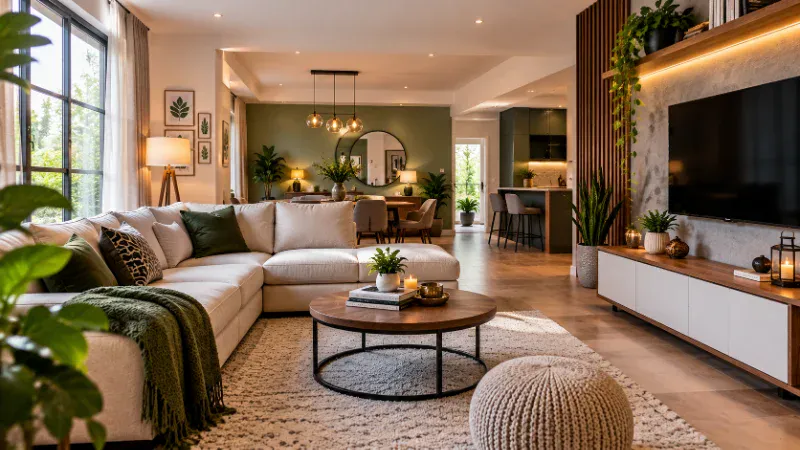
A well-designed home should be both visually appealing and comfortable for everyday living. It should feel comfortable, support daily routines, and reflect the people who live there. Small changes to furniture placement, lighting, and storage can transform a room’s comfort and functionality without the expense of a full renovation. Interior designmode24 is a useful topic for exploring practical decorating ideas, room layouts, color combinations, and affordable home improvements. The best approach balances appearance with function, helping homeowners create spaces that suit their lifestyles and budgets.
What Is Interior DesignMode24?
Interior designmode24 relates to interior design inspiration and practical ideas for improving living spaces. It focuses on how furniture, color schemes, lighting choices, practical storage, surface finishes, and accessories work together to shape a room’s overall look and feel.
Instead of following every popular trend, homeowners should consider what works for their rooms and everyday needs. Households with small kids often benefit from easy-to-clean materials and reachable cupboards, whereas remote workers may prefer a calm office area with focused lighting and minimal distractions.
The goal is simple: create an attractive environment that remains practical and comfortable.
Start With a Functional Room Layout
Start by considering the purpose of each space and your daily routines before selecting furnishings or settling on a color palette. A thoughtful layout improves movement, reduces clutter, and helps every piece serve a purpose.
In a compact lounge, limited space can become even more noticeable when bulky seating obstructs movement or the central table leaves too little room to walk comfortably. Moving the sofa against a suitable wall and choosing a smaller table can open the space without purchasing an entirely new furniture set.
Try these practical steps:
- Measure the room before purchasing furniture.
- Keep doorways and frequently used walking paths clear.
- Position chairs and sofas to create a welcoming space for socializing and daily use.
- Keep essential belongings nearby so you can access them without unnecessary effort.
- Leave enough space to open drawers, cabinets, and doors comfortably.
Draw a simple floor plan on paper before moving heavy furniture. Taking this precaution helps you avoid wasted effort and costly decisions when buying materials or furnishings.
Choose Colors That Work Together
Color influences how a room feels. Light shades can create an airy appearance, while deeper colors add contrast and visual depth. However, the best palette depends on natural light, room size, furniture, and personal preference.
Build your color scheme around a dominant tone, a complementary hue, and a small pop of contrast. For instance, cream walls paired with oak furnishings and soft sage details can give a lounge a calm, balanced appearance without overwhelming the space.
Apply a few paint samples to a limited wall area before committing to a full-room makeover. Check each shade at different times of day, as natural daylight and indoor bulbs can significantly change how a color appears compared with its look in the shop.
Keep nearby rooms visually connected by repeating a few colors or materials. Using this method helps maintain a consistent style throughout your home while allowing each room to express its own character.
Improve Lighting for Comfort and Style
The right lighting can improve a room’s practicality while highlighting its finishes and color palette. Relying on one ceiling light alone may leave certain areas poorly lit and fail to support activities such as reading, cooking, or relaxing.
Consider three useful lighting types:
Ambient lighting: Provides general illumination through ceiling fixtures or other broad light sources.
Task lighting: Directs light where it is most useful, making activities like writing, food preparation, close-up work, and reading easier to carry out.
Accent lighting: Draws attention to special features in a room, such as framed pictures, textured walls, display cabinets, or treasured decorations.
In a bedroom, combining a central light fixture with lamps beside the bed and a gentle glow from decorative lights can create flexible illumination for different moods and activities. In a kitchen, focused lighting over work surfaces helps people prepare meals more comfortably.
Whenever possible, make use of natural daylight. Clean windows, suitable curtains, and an uncluttered window area can help brighten a room during the day.
Make Small Spaces Feel More Open
Small apartments and compact rooms require careful planning, but limited space does not mean sacrificing style. The goal is to keep the space looking organized while choosing furnishings that serve more than one useful purpose.
Select pieces that suit the room’s dimensions and leave enough space for easy movement. A bench with built-in compartments can store everyday essentials, while floating shelves offer extra display space without taking up valuable floor area.
Placing mirrors opposite windows can spread natural light around the room. However, their placement matters; position them where they reflect a pleasant view or useful light.
Other effective ideas include:
- Use vertical storage where appropriate.
- Keep countertops and tables reasonably clear.
- Choose curtains that suit the window’s proportions.
- Avoid oversized furniture that restricts movement.
- Pass unused belongings on to someone who needs them, or put them away neatly if you plan to use them later.
These changes can improve both the appearance and everyday usability of a small home.
Decorate on a Realistic Budget
Good interior design does not require replacing everything. In many cases, small updates produce better results than expensive purchases.
Begin by pinpointing the main issue that makes the space feel uncomfortable or difficult to use. If it feels dark, improve the lighting. If it feels disorganized, add suitable storage. If the furniture looks dated but remains comfortable and sturdy, consider new cushion covers, updated hardware, or a fresh arrangement.
Before spending money, make a priority list:
- Fix functional problems first.
- Set a spending limit for each improvement.
- Reuse furniture and accessories where practical.
- Compare product dimensions, materials, and maintenance needs.
- Complete one area before starting another.
For example, repainting a wall, rearranging furniture, and adding two well-chosen lamps may refresh a living room more effectively than buying several unrelated decorative items.
Avoid Common Interior Design Mistakes
Even attractive products can create problems when they do not suit the space. Buying furniture without measuring it, mixing too many competing colors, or choosing decorative lighting that provides insufficient illumination can reduce comfort.
Another common mistake is copying an inspiration photograph without considering the room’s actual dimensions, natural light, or household needs.
Explore DesignMode24 for inspiration that suits your home, but choose ideas based on your personal taste and practical needs rather than following every new design trend. Adapt inspiration to your budget, available space, cleaning routine, and personal taste.
When planning major electrical, structural, or plumbing changes, consult qualified professionals and follow applicable building and safety requirements.
How to Create a Home That Lasts
A successful interior should remain useful beyond a single decorating season. Prioritize durable materials, comfortable furniture, practical storage, and colors you enjoy living with every day.
You can also make more thoughtful purchasing decisions by checking care instructions, product dimensions, warranties, and replacement-part availability. These details often matter more over time than a product’s appearance alone.
The most effective interior designmode24 ideas combine personal style with realistic planning. By improving layouts, choosing suitable lighting, organizing storage, and spending carefully, homeowners can create spaces that look inviting and function well.
Conclusion
Creating a stylish home starts with understanding how you live, not simply copying a popular design. Small changes to furniture placement, lighting, color, and storage can improve comfort without stretching your budget.
Explore interior designmode24 ideas with a clear goal for each room. Focus on practical improvements, choose materials that suit your needs, and allow your personal style to develop over time. A well-designed home is not necessarily the most expensive one; it is the one that works best for the people who use it.
For more information, visit our website.
2 thoughts on “Interior DesignMode24: Practical Ideas for a Stylish, Functional Home”