
Writing about luxury interiors requires more than describing expensive furniture, beautiful rooms, or fashionable decorations. Readers want helpful information that explains how design choices affect comfort, appearance, functionality, and long-term value. A well-written article should inspire readers while giving them practical ideas they can use in their own homes. If you are exploring how to write for Start LuxuryInteriors.org, understanding the subject, researching reliable information, and choosing the right approach can make a significant difference. Whether you are a beginner, freelance writer, or interior design enthusiast, this guide explains how to create engaging content that offers genuine value.
Understand the Purpose of Luxury Interior Content
Luxury interior design combines visual appeal with thoughtful planning and quality craftsmanship. It is not simply about purchasing expensive products. A carefully designed space should also feel comfortable, functional, balanced, and suitable for the people who use it.
Readers interested in this subject may be looking for:
- Modern living room and bedroom inspiration
- Premium furniture and material comparisons
- Kitchen and bathroom design ideas
- Lighting and color combination advice
- Home renovation and improvement tips
- Sustainable and timeless interior solutions
When creating content for Start LuxuryInteriors.org, consider the questions behind these interests. Someone searching for luxury kitchen ideas may need help choosing countertops, selecting cabinet finishes, or improving storage. Answering these practical questions makes an article more valuable than simply listing attractive design trends.
Research Your Topic Before Writing
Research provides the foundation for accurate and informative content. Before drafting an article, explore the subject from different reliable sources rather than depending on a single blog post.
Useful research sources include manufacturer product specifications, professional design publications, architecture resources, material suppliers, and interviews with qualified designers.
For example, when writing about natural stone countertops, investigate their appearance, maintenance requirements, durability, and installation considerations. Marble can offer distinctive patterns and an elegant finish, but it may require sealing and careful maintenance. Quartz surfaces can provide a different balance of appearance and everyday practicality.
Presenting both advantages and limitations helps readers make informed decisions.
Select Topics That Answer Real Questions
A focused topic gives an article a clear purpose. Broad subjects often lead to general statements that readers can find almost anywhere.
Instead of choosing a title such as “Luxury Home Design,” explore more specific ideas:
- How to Create an Elegant Living Room in a Small Space
- Natural Stone vs. Quartz: Which Kitchen Surface Is Better?
- Choosing the Right Lighting for a Modern Bedroom
- How to Combine Classic Furniture With Modern Decor
- Practical Bathroom Upgrades That Create a Luxury Feel
These topics address specific interests and provide opportunities for useful examples.
Before starting an article for Start LuxuryInteriors.org, check existing content to avoid covering the same subject in nearly identical ways. A fresh angle, deeper explanation, or practical comparison can make your work more distinctive.
Explain What Makes a Space Feel Luxurious
Luxury is often the result of several design decisions working together. Materials, proportions, lighting, texture, and furniture placement all contribute to the overall experience.
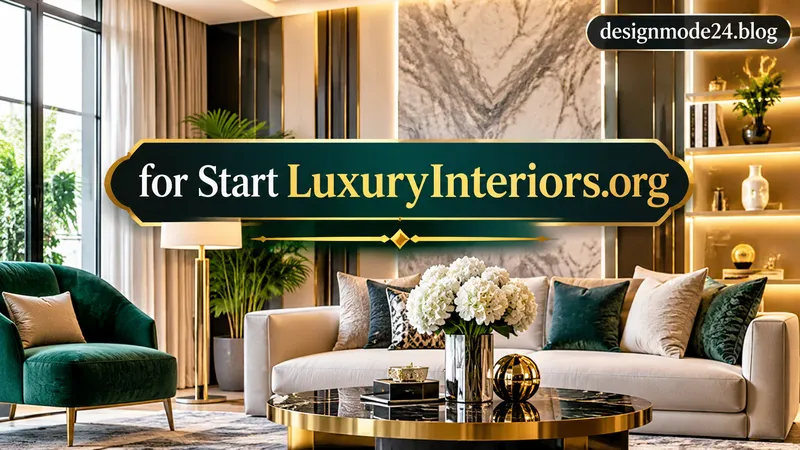
Consider a modern living room with natural wood flooring, a neutral-colored sofa, textured cushions, and carefully positioned lighting. The room may feel refined without relying on excessive decoration or expensive accessories.
Writers should explain why these elements work together.
For example:
Material selection: Natural wood, stone, glass, and quality fabrics can introduce texture and visual interest.
Lighting: Combining ambient, task, and accent lighting creates a more flexible and comfortable environment.
Color balance: Neutral shades can provide a calm foundation, while carefully selected accent colors add personality.
Furniture arrangement: Proper spacing improves movement and prevents a room from feeling crowded.
These details turn general design inspiration into practical guidance.
Create a Clear and Engaging Article Structure
A logical structure makes information easier to understand. Begin with an introduction that identifies the reader’s interest, then organize the main discussion into meaningful sections.
A useful article structure includes:
- Introduction: Explain the subject and what readers will learn.
- Background: Introduce the design concept or problem.
- Main discussion: Cover materials, layouts, styles, or available options.
- Practical examples: Show how readers can apply the advice.
- Common mistakes: Explain what to avoid.
- Conclusion: Summarize the most important points.
Keep paragraphs short and use descriptive headings. Avoid adding sections that repeat information already explained elsewhere.
Use Examples Instead of Empty Descriptions
Specific examples make design advice easier to understand.
For instance, rather than writing that warm lighting makes a bedroom attractive, explain how bedside lamps can provide focused reading light while softer ceiling illumination creates a relaxed atmosphere.
Similarly, an article about small apartments could explain how multifunctional furniture, wall-mounted storage, and mirrors can help make limited space feel more organized.
When writing for Start LuxuryInteriors.org, examples should remain realistic. Avoid claiming that a particular product guarantees better property value or that one design trend suits every home.
Add Relevant Images and Visual Details
Interior design is highly visual, so suitable photographs can strengthen an article.
Choose images that match the subject and help explain the written information. A guide to contemporary kitchens, for example, should include relevant kitchen layouts, cabinet finishes, countertops, or lighting arrangements.
Follow these image practices:
- Use original or properly licensed photographs.
- Select clear, high-resolution images.
- Add descriptive alt text.
- Write accurate captions.
- Avoid images that misrepresent the featured design or product.
A useful image should support the reader’s understanding rather than serve as decoration alone.
Follow SEO Best Practices Naturally
Search engine optimization helps readers discover relevant articles. However, repeating the same keyword throughout a page does not automatically improve rankings.
When preparing content for Start LuxuryInteriors.org, use the primary keyword naturally in the title or introduction where appropriate. Include related expressions such as luxury interior design, premium home decor, modern architecture, designer furniture, and home styling when they fit the discussion.
Other useful SEO practices include:
- Write a descriptive page title.
- Create a relevant meta description.
- Use clear H2 and H3 headings.
- Link to genuinely related articles.
- Optimize image sizes and alt text.
- Make sure the page works well on mobile devices.
- Check facts and update outdated information.
Focus on satisfying the reader’s search intent instead of writing for keyword density alone.
Common Content Writing Mistakes to Avoid
Even a well-researched subject can lose value when the article contains avoidable problems.
Copying existing material: Research for understanding, then develop your own explanations and examples.
Making unsupported claims: Verify statements about product performance, material durability, and costs.
Using excessive promotional language: Replace vague praise with specific details and balanced explanations.
Ignoring functionality: Beautiful interiors must also support everyday activities.
Repeating keywords unnaturally: Use relevant variations and natural language.
Skipping proofreading: Review grammar, headings, links, image permissions, and factual accuracy before publishing.
Final Thoughts
Writing successful luxury interior content requires a balance of creativity, research, and practical knowledge. Readers appreciate articles that explain design decisions, compare available options, and offer realistic ideas rather than simply describing expensive spaces.
For anyone learning to create content for a luxury design publication, the best approach is to understand the audience, choose a focused topic, verify important details, and organize information clearly. With original examples, relevant visuals, and natural SEO practices, you can create informative articles that remain useful to readers over time.
Quality content does not depend on complicated language or repeated keywords. It comes from answering real questions with accurate information, thoughtful explanations, and a clear understanding of what makes a space both beautiful and functional. For more information, visit our website.