
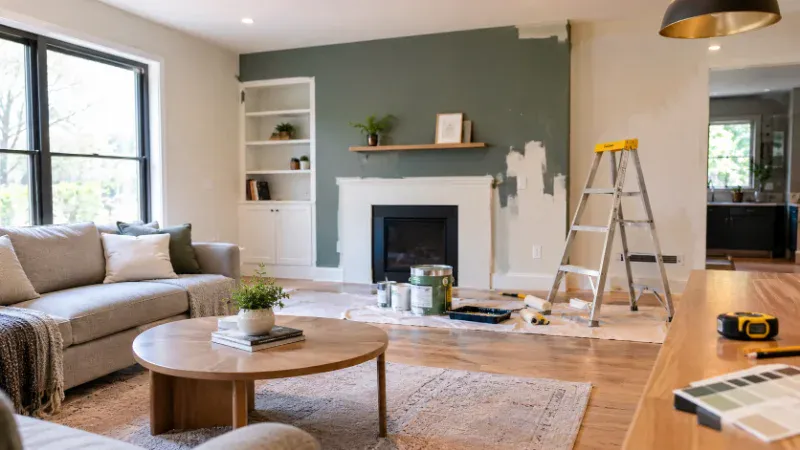
Renovating a home is an opportunity to make everyday life more comfortable, organized, and enjoyable. Following decoradhouse renovation tips from decoratoradvice can help homeowners make smarter decisions about their spaces. However, a successful makeover requires more than fresh paint, attractive furniture, or expensive materials. It starts with understanding what your home needs and deciding which improvements deserve attention first.
Many homeowners spend money on decorative changes before addressing problems such as poor lighting, limited storage, outdated fixtures, or damaged surfaces. This approach can lead to unnecessary expenses and disappointing results.
The Decoradhouse renovation tips from decoratoradvice approach focuses on practical improvements, thoughtful planning, and design choices that make sense for everyday living. Whether you want to refresh one room or update your entire property, the following ideas can help you make better decisions throughout the process.
1. Identify What Your Home Actually Needs
Before purchasing materials or contacting contractors, walk through your home and inspect each room. Look for issues that affect comfort, safety, and functionality.
For example, a kitchen may look outdated because its cabinets have lost their finish. However, the bigger issue might be insufficient storage or poorly positioned lighting.
Create three separate lists:
- Essential repairs: Roof leaks, damaged flooring, plumbing problems, and electrical concerns.
- Functional improvements: Better storage, improved lighting, and more practical furniture arrangements.
- Decorative changes: New colors, curtains, artwork, and decorative accessories.
This simple exercise helps you spend money on meaningful improvements instead of changes that only look attractive.
2. Create a Realistic Renovation Budget
A renovation budget should cover more than materials and labor. Transportation, waste removal, equipment, permits, and unexpected repairs can also affect the final cost.
Start by collecting estimates for every major part of the project. When possible, compare at least two or three contractor quotes, and check exactly what each estimate includes.
Keep a separate emergency allowance for hidden problems. Older properties, for example, may have damaged pipes, weak subfloors, or outdated wiring that becomes visible only after work begins.
The Decoradhouse renovation tips from decoratoradvice method encourages homeowners to prioritize essential work and avoid spending the entire budget on decorative upgrades.
A useful rule is to finalize your spending limit before selecting expensive finishes. This keeps attractive products from pushing your project beyond what you can comfortably afford.
3. Improve Room Layout Before Buying New Furniture
A room does not always need new furniture to feel different. Sometimes, changing the arrangement can create more space and improve movement.
Consider these practical ideas:
- Living room: Arrange seating around a natural focal point, such as a fireplace or television.
- Bedroom: Leave enough walking space around the bed and use under-bed storage where practical.
- Kitchen: Keep frequently used cooking items within easy reach and avoid blocking work surfaces.
- Home office: Position your desk near natural light while reducing screen glare.
Measure your furniture and available floor space before making purchases. Even a beautiful sofa can become a poor investment if it blocks a doorway or makes the room difficult to navigate.
4. Choose Materials That Match Your Lifestyle
The right materials should look attractive and handle everyday use. A busy family home, for example, needs different finishes than a guest room used only occasionally.
Consider these options when planning upgrades:
| Kitchen | Easy-to-clean countertops |
| Bathroom | Slip-resistant floor tiles |
| Living room | Durable flooring |
| Bedroom | Washable wall paint |
| Entryway | Scratch-resistant surfaces |
Also consider cleaning requirements, product warranties, and replacement costs. A cheaper material may save money initially but require more maintenance.
Before committing to a large purchase, request samples. Check how the color and texture look under your home’s natural and artificial lighting.
5. Make Lighting a Priority
Lighting affects how a room looks and how comfortably people use it. A single ceiling fixture may provide general brightness, but it rarely meets every lighting need.
A better approach combines three types of lighting:
- Ambient lighting: Provides general illumination throughout the room.
- Task lighting: Helps with activities such as cooking, reading, and working.
- Accent lighting: Highlights artwork, architectural details, or decorative features.
For example, a kitchen benefits from ceiling lights and focused lighting above work surfaces. A bedroom may feel more relaxing with bedside lamps and adjustable lighting.
Whenever possible, make better use of daylight by keeping windows clean and choosing suitable window treatments.
6. Consider Energy Efficiency During Renovation
Renovation offers a useful opportunity to improve your home’s energy performance. Small upgrades can make indoor spaces more comfortable and help control utility expenses.
Start by checking windows, doors, insulation, and heating or cooling equipment. Air leaks around windows and doors can make rooms uncomfortable and increase the workload on heating and cooling systems.
According to ENERGY STAR, sealing air leaks and adding insulation are important steps in improving home energy efficiency. The organization also recommends considering efficient lighting, appliances, and heating equipment.
ENERGY STAR
Other useful improvements include:
- Replacing traditional bulbs with LEDs.
- Installing programmable thermostats.
- Sealing gaps around suitable openings.
- Choosing energy-efficient appliances.
- Improving ventilation where needed.
The Decoradhouse renovation tips from decoratoradvice philosophy support choosing improvements that offer lasting comfort rather than following short-lived design trends.
7. Know When to Hire a Professional
DIY projects can cut labor costs, especially for painting, organizing storage, replacing cabinet handles, or refreshing furniture.
However, some renovation tasks require professional knowledge and equipment.
Consider hiring qualified professionals for:
- Electrical wiring and panel upgrades.
- Major plumbing changes.
- Structural modifications.
- Roof repairs.
- Gas connections.
- Complex waterproofing work.
Check references, previous projects, insurance, and relevant licenses before hiring a contractor. Also, request a written agreement that explains the project scope, materials, payment schedule, and expected completion date.
Check local building codes and permit requirements before starting structural or major system changes.
8. Avoid Common Renovation Mistakes
Even a well-funded renovation can disappoint when homeowners overlook basic planning.
Watch out for these common mistakes:
- Starting work without a clear design and budget.
- Ignoring leaks or structural problems.
- Choosing materials based only on appearance.
- Ordering furniture without taking measurements.
- Changing the project scope repeatedly.
- Forgetting storage and ventilation.
- Hiring contractors without checking their work.
- Overspending on trends that may quickly become outdated.
A better strategy is to finalize important decisions before construction begins. Keep a record of measurements, receipts, product details, and agreed changes so everyone involved understands the project.
9. Inspect the Finished Work Carefully
Before considering the renovation complete, walk through every updated area and check the details.
Test doors, windows, taps, switches, cabinets, and lighting. Look for uneven paint, loose fittings, damaged tiles, and signs of water leakage.
Ask the contractor to finish any unfinished work before you make the final payment, as per your written agreement.
Keep leftover paint, spare tiles, product warranties, and maintenance instructions. These items can make future repairs much easier.
Final Thoughts
A successful home renovation does not depend on how much money you spend. It depends on how carefully you plan, which improvements you prioritize, and whether your design choices support everyday living.
These Decoradhouse renovation tips from decoratoradvice offer a practical starting point for homeowners who want attractive, comfortable, and functional spaces. Start with essential repairs, set a realistic budget, improve room layouts, and choose materials that suit your lifestyle.
Most importantly, take your time with important decisions. A thoughtful renovation can make your home easier to maintain, more enjoyable to live in, and better prepared for your future needs. For more information, visit our website.
One thought on “Decoradhouse Renovation Tips from DecoratorAdvice: Home Renovation Guide”